
By: Kendall Upton

Updated: February 3, 2026

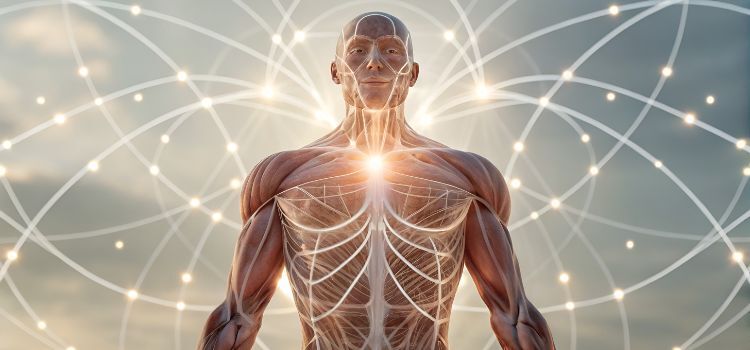
Anyone aspiring to begin a career as a massage therapist must have a basic understanding of human anatomy and physiology. You don’t need to be an expert on the same level as a full-fledged physician, but there are several reasons why a foundation in anatomy and physiology is absolutely essential for a successful massage therapy career.
Anatomy is the branch of science that deals with the bodily structure of humans, animals and other organisms. Physiology is a branch of biology concerned with the functions of organisms and their parts. When it comes to the human body, think of it this way: anatomy is all about what it is, while physiology is all about how it works.
A firm understanding of the human body and how it functions is essential for massage therapists to deliver safe and effective care.
“Similar to expecting a mechanic to understand how an engine works, one would expect the person they are trusting their body with to understand how the body works and how their profession can be utilized,” said Dana Ball, Owner and Director of the Carolina School of Bodywork in North Charleston, South Carolina. “There are many benefits to massage therapy, and being able to understand how the body works in order to help someone figure out how to change a movement pattern or explaining how we experience pain can be imperative to the people you serve.”

Similar to expecting a mechanic to understand how an engine works, one would expect the person they are trusting their body with to understand how the body works and how their profession can be utilized.
Most people have probably given or received a massage from a close friend or partner at some point in their life, even something as simple as a shoulder rub. While these may offer some temporary relief, there’s no denying the difference between an amateur and a professional. Practice is part of it, but it also comes down to a professional’s advanced understanding of how to manipulate the body in just the right way to stimulate a nervous system response, reduce muscle tension and improve circulation, among other benefits massage can offer.
In addition to efficacy, knowledge of human anatomy and physiology is essential for clients’ health and safety.
“This information can also be used to help determine if massage would be safe and effective for many conditions and medications,” Ball said. “Massage is not recommended in some circumstances, so it is very important for massage therapists to know how to help a person and ensure that the benefits of massage are desirable and the risks have been communicated and understood.”
A firm understanding of anatomy and physiology is also crucial for massage therapists to communicate effectively with other healthcare professionals. Whether they are working alongside doctors, nurses or physical therapists in a clinical setting, referring clients out to other healthcare providers or vice versa, massage therapists must be able to speak their language. This helps ensure that the information is accurate and helpful to all care providers involved.
Most massage therapy curriculums begin with an in-depth introduction to human anatomy and physiology. Only once you know how the body works can you understand why massage is effective and how to do it safely.
“Massage therapy students can expect to learn each body system’s anatomy and how the system works. For example, massage students learn the anatomy or parts of the nervous system, and how that system works,” Ball said. “Students also learn the benefits and effects that massage research has shown to have for each body system. Many massage students do not know that they are expected to learn over 300 skeletal muscles (the muscles that move your body), how those muscles can affect movement, and contribute to musculoskeletal conditions.”
You can expect to learn about the following body systems in just about any massage therapy program:
“Massage students are also taught how to think critically to rule out conditions in which massage would not be indicated. In our program, our students learn how to use orthopedic testing to rule out conditions like ligament damage or nerve entrapment like sciatica, and more serious conditions like a disc bulge or herniation,” Ball said.
In addition to the major body systems, many massage therapy students are exposed to other body science subjects such as:
Completing a massage therapy program doesn’t mean your education is over. In fact, most massage therapists are required by law to complete continuing education credits to maintain their license.
Massage therapists must be adaptable and commit themselves to a lifetime of learning to continually improve their trade. If you want to keep learning more about anatomy and physiology as it relates to massage therapy, consider some of these strategies:
Keep in mind that shorter, more specialized massage programs are often not enough to qualify for a general massage therapy license in your state. Always refer to your state’s licensing laws and check the program’s outcomes to be sure.
Understanding the body, its systems, how they function and interact is a must for anyone wishing to be successful in a massage therapy career. But that doesn’t mean you need a health science degree, either. You’ll learn a lot about human anatomy and physiology in a massage therapy program, but your education should also continue throughout your career. If you think you’re ready to take the first step, click our Find Schools button today.