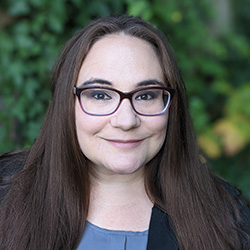
By: Mariah Beckman
Updated: January 29, 2026


Each passing year, more and more insights about chemical additives and harmful contaminants come to light. Largely unregulated, these unknowns contaminate our food, our environment and our bodies. As scientists and healthcare professionals find proof that these chemicals are impacting our health, there is a growing demand for doctors who specialize in detoxification.
The Centers for Disease Control and Prevention’s Agency for Toxic Substances & Disease Registry defines detoxification as “the process of removing a poison or toxin or the effect of either from an area or individual.” Detoxification specialists are healthcare professionals who guide patients through cleansing and purification programs in order to safely and effectively remove toxins from their bodies.
This can be accomplished several different ways, including dietary changes, supplements, lifestyle modifications and sometimes medical interventions. While it’s a relatively new field, it’s also one that many physicians see as vital and timely. If you’re passionate about health and intrigued by the concept of detoxification, then this guide will illuminate the path to becoming a detoxification specialist.
In This Article
Detoxification in and of itself is not a new concept. Most of us associate the word “detox” with drug and alcohol rehabilitation. Others may recognize the term from trend-drive cleanses. These treatments share some commonalities with medical detox, but there are some major differences too.
A detoxification specialist guides patients through cleansing and purification programs in order to safely and effectively remove toxins from their bodies.
At-home programs focus primarily on short-term elimination of waste products and toxins, often through dietary restrictions, fasting or the use of herbal supplements. They are typically self-guided or based on general information found online or in books, without personalized guidance from a healthcare professional.
This sort of generalized medicine can be risky, especially for individuals with underlying health conditions or those taking medications. Some methods may lack scientific backing and can lead to nutrient deficiencies or other adverse effects. Beyond that, there is limited evidence supporting the long-term benefits of most cleanses or home detox remedies. They may offer temporary relief from symptoms like bloating or fatigue, but their impact on actual toxin removal is often unclear.
Detoxification by a certified professional, on the other hand, takes a comprehensive approach to ridding the body of unwanted contaminants. It addresses both the removal of toxins and support of the body’s natural detoxification systems.
This kind of biological reset is guided by a qualified healthcare professional (e.g., doctor, naturopath, registered dietitian) who assesses an individual’s needs, creates a personalized plan and monitors their progress.
Safety is a priority for detoxification doctors, who carefully consider individual health conditions, medication interactions and potential risks associated with specific detox methods. These treatments are usually made up of several different evidence-based approaches such as dietary change, targeted supplements, lifestyle modifications and, in some cases, medical interventions like chelation therapy for heavy metal toxicity.
More than 80,000 chemicals are currently listed or registered under the Toxic Substances Control Act, and hundreds of new chemicals are introduced into the marketplace every year.
–Environmental Protection Agency
There are several compelling reasons this kind of specialized treatment is being sought out more frequently.
As research continues to evolve, detoxification is poised to play an increasingly important role in promoting health and well-being. There has always been a degree of skepticism in Western medicine regarding the efficacy of natural treatments.
However, the overburdened healthcare system is now embracing preventative medicine and holistic treatments more and more with each passing year. There are many studies being conducted across the spectrum of naturopathic medicine that aims to prove both short and long-term illnesses can be treated by detoxing the body.
But how does a detox specialist do this, exactly?
A certified detoxification specialist may operate in many states without specialized training in nutrition, herbal medicine or other complementary and alternative medicine (CAM) modalities. Instead of formal training your general practitioner undergoes, a detox specialist learns largely by reading, testing and making small changes over time.
Some of the services that a detoxification specialist may provide include:
Conduct thorough health assessments: They gather comprehensive information about a client’s medical history, lifestyle, diet and potential toxin exposure.
Identify toxic overload: They use various tools, such as questionnaires, symptom evaluations and sometimes lab tests, to determine the type and extent of toxins present in the body.
Assess detoxification capacity: They evaluate an individual’s ability to naturally eliminate toxins and identify any underlying factors that may hinder detoxification.
Develop customized plans: They create individualized detox programs based on the client’s specific needs, goals and health status.
Recommend dietary modifications: They suggest dietary changes, such as eliminating processed foods, incorporating more fruits and vegetables and promoting gut health with fiber-rich foods and probiotics.
Suggest supplements and herbs: They recommend specific supplements and herbal remedies known for their detoxifying properties, such as milk thistle, dandelion root, chlorella or activated charcoal.
Advise patients on specific lifestyle changes: They may advise on exercise, stress management techniques, sleep hygiene and other lifestyle modifications that support detoxification.
Utilize therapeutic modalities: Depending on their expertise, they may incorporate various therapies like sauna therapy, colon hydrotherapy or lymphatic drainage massage to facilitate toxin elimination.
Monitor progress: They regularly check in with clients to track their progress, assess any side effects and make adjustments to the detox plan as needed.
Provide education and support: They educate clients about the detoxification process, potential challenges and ways to maintain a healthy lifestyle after the detox program.
Collaborate with other healthcare providers: They may work with other practitioners, such as doctors, nutritionists or therapists, to ensure comprehensive care and address any underlying health conditions.
Research: Some detoxification specialists may be involved in researching new detox methods, therapies or products.
Education: They may educate other healthcare professionals or the public about detoxification through workshops, seminars or publications.
It bears repeating that the title “Certified Detoxification Specialist” is not a standardized credential. The specific qualifications and certifications can vary depending on the practitioner’s background and training. Different practices may seek out a specialist with a particular background or training.
While we can shed light on some widely recognized options available, we encourage you to do your own research. Consult with other holistic healthcare providers in your area and find out where they’re being hired and where their credentials are coming from.
Not all detoxification specialists are the same. There are different types, each with varying backgrounds, approaches and areas of expertise. Some medical doctors incorporate detoxification into their patient wellness; others may refer their patients to a specialist.
When choosing which area of medicine interests you the best, it’s crucial to consider the qualifications you may need, the experience you’ll deliver and your approach. Some specialists focus on specific toxins or health conditions; others offer a more general approach.
As you consider what kind of health professional you want to be, keep the following career pathways and their distinctions in mind:
Depending on their training and expertise, other healthcare professionals like acupuncturists, massage therapists or herbalists may offer detoxification services as part of their practice. However, it’s important to understand before you begin your career journey, you will be working in cooperation with a patient’s general practitioner if you choose most of these pathways. Detoxification is a cooperative type of medicine.
Detoxification specialists work in a variety of settings. Where you wind up working will be determined in part by your specific qualifications, expertise and the type of detoxification services you’re able to offer. Here are some common workplaces:
The specific work environment of a detoxification specialist can vary depending on their chosen specialty and the type of clients they serve. Wherever you work, the goal of a detoxification specialist is the same: to help individuals safely and effectively eliminate toxins from their bodies, improve their health and achieve their wellness goals.
While the field of detoxification lacks standardized practices and certifications, there are still pathways that have been carved out to guide you on your journey.
The path to becoming a detoxification specialist can vary depending on your educational background and desired approach. However, here are some certificates and certifications you can consider in the U.S.
Board Certification in Integrative Medicine: If you’re a licensed physician (MD, DO) or naturopathic doctor (ND), you can pursue board certification in integrative medicine, which includes training in detoxification therapies.
Fellowship in Integrative Medicine: Some institutions offer fellowships in integrative medicine, providing in-depth training in various modalities, including detoxification.
Certified Nutrition Specialist (CNS): This certification, offered by the Board for Certification of Nutrition Specialists, requires a master’s or doctoral degree in nutrition and can demonstrate expertise in detoxification through nutrition.
Certified Detoxification Specialist: Several organizations offer online or in-person programs to become a certified detoxification specialist. These programs vary in depth and focus, so research thoroughly to find one that aligns with your interests and goals.
Certified Holistic Nutritionist: This certification covers holistic nutrition principles and practices, including detoxification through diet and lifestyle modifications.
Certified Nutritional Consultant (CNC): This certification focuses on nutritional counseling and may include modules on detoxification.
Certified Health Coach: Health coaches often work with clients on lifestyle changes, including detoxification, to improve overall well-being.
Some additional resources include:
Remember, choosing the right certification depends on your existing qualifications, career goals and desired area of specialization within detoxification.
It’s important to note: There is limited scientific evidence that supports the efficacy of many detoxification practices. However, detoxification is a science-backed healthcare avenue. Some members of the medical community may not recognize the benefits of holistic healthcare. Ironically, that is what drives so many patients to seek out this specific wellness niche.
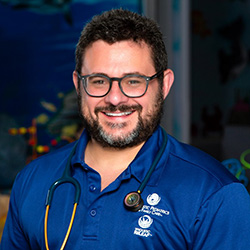
Dr. David Berger, a Florida-based pediatrician, began integrating herbal medicine into his practice in the 1990s. “I read an article in Contemporary Pediatrics journal. It was called ‘Seven Herbs Every Pediatrician Should Know About.’” This compelling article was the start of Dr. Berger’s education. He took it upon himself to learn more about the benefits of herbal and homeopathic medicine during his residency.
During his residency at Tampa General Hospital, he offered patients the opportunity to elect for herbal treatments. For his patients, the outcomes of his natural methods spoke for themselves. He was initially sought out by families of children with autism, and his reputation grew through word-of-mouth as he focused on identifying deficiencies and addressing the root causes of various health conditions, including behavioral and mental health issues linked to the gut-brain connection.
Dr. Berger’s clinic now includes multiple providers, all of whom practice what they preach. Their approach, once considered niche, is now becoming mainstream. He actively participates in media and lectures, collaborating with organizations like the International Federation of OBGYNs to raise awareness about heavy metal contamination in prenatal vitamins and promoting clean living principles.
As an advocate for transparency, he has led the charge to hold supplement manufacturers to a high standard. There is, he admits, a tremendous amount of skepticism in the medical community about the effects of clean air, clean food and clean living. “There’s a philosophy, Dr. Berger says, “that if I didn’t learn about it in medical school, it can’t possibly be true. That would be true if we were all clones, but we’re all different. But I am a strong believer that the job of a doctor is not to be beholden to prevailing wisdom, but to try and meet people where they are at.”
Dr. Berger envisions the future of healthcare evolving towards a greater integration of holistic and conventional practices. He observes a shift in attitudes, particularly since the COVID-19 pandemic, with more people recognizing the importance of healthy eating and reducing inflammation. While acknowledging skepticism within the medical community, he emphasizes that his clinic prioritizes patient-centered care, addressing root causes of health issues that traditional medicine may overlook.
His practice attracts patients who are already interested in holistic approaches and seeking alternatives to conventional medicine. “They aren’t finding us through their insurance,” he explained. “Our patients don’t want what traditional medicine has to offer. They want to address the root cause.” There is definitely, he admits, a self-selection bias among the patients at his practice. “They drank the Kool-Aid already, so to speak. The fully organic, naturally-sweetened Kool-Aid, I should say.” Dr. Berger and his team remain committed to a physician-driven model, collaborating with organizations like The Autism Community in Action (TACA) and the Medical Academy of Pediatric Special Needs to further their knowledge and expertise. Through his YouTube channel and education company, Dr. David MD, he continues to focus on issues related to health, education and medical choice.
There’s no single prescribed path to becoming a detoxification specialist. Many practitioners, Dr. David Berger tells us, did not formally study detoxification at a university or certificate program. He admits that in the early days of his practice, the bulk of his knowledge came from textbooks and trade publications.
If you don’t have medical training but want to become a detoxification specialist, there are several paths you can take. However, it’s important to note that you cannot legally diagnose or treat medical conditions without a medical license. Your focus would be on non-medical detoxification support, education and coaching.
There are five steps to take in order to become a detoxification specialist. You can complete these with or without a medical degree:
Research: Learn about the fundamentals of detoxification, nutrition and holistic health principles through books, articles, documentaries and reputable online resources.
Enroll in courses: Consider taking online or in-person courses in nutrition, herbal medicine, functional medicine, or other relevant areas to gain a deeper understanding of detoxification processes and modalities.
Detoxification specialist certification: Several organizations offer online or in-person programs to become a certified detoxification specialist. Look for programs that focus on non-medical approaches and provide comprehensive training in detoxification principles, dietary modifications, supplement recommendations and lifestyle changes.
Holistic health coach certification: This certification can provide you with the knowledge and skills to guide clients through lifestyle changes, including detoxification, for improved health and well-being.
Nutrition certifications: Consider obtaining a certification in nutrition, such as a Certified Nutritional Consultant (CNC) or Certified Holistic Nutritionist, to deepen your understanding of the role of diet in detoxification.
Volunteer or intern: Offer your services as a volunteer or intern at wellness centers, health clinics, or detoxification facilities to gain practical experience and learn from experienced practitioners.
Work with a mentor: Find a mentor who is an experienced detoxification specialist and can guide you in developing your skills and knowledge.
Start with friends and family: Offer your services to friends and family to gain experience and build testimonials.
Create a business plan: Develop a business plan outlining your target market, services, pricing, marketing strategy and legal requirements.
Obtain liability insurance: Protect yourself and your business with professional liability insurance.
Build your network: Connect with other healthcare professionals, wellness practitioners and potential clients to build your referral network.
Market your services: Utilize online platforms, social media, workshops and other marketing tools to promote your services and attract clients.
Stay updated: Keep abreast of the latest research and developments in detoxification through continuing education courses, workshops and conferences.
Network with peers: Connect with other detoxification specialists to share knowledge, collaborate and stay informed about industry trends.
Remember: As a non-medical practitioner, you cannot diagnose or treat medical conditions. Your role is to provide education, support and guidance to clients seeking to improve their health and well-being through detoxification. Always encourage clients to consult with their doctors for any underlying health concerns and work collaboratively with other healthcare providers to ensure comprehensive care.
If you’re passionate about helping others, a career as a detoxification specialist may be the perfect fit. Start your journey by researching reputable training programs in detoxification or related fields like holistic health or nutrition.
Next, consider volunteering or assisting at wellness centers to gain practical experience. Consider medical school if you want to extend your reach and touch as many lives as possible with your healing gift.
With dedication, education and a commitment to ethical practices, you can embark on a fulfilling career as a detoxification specialist, empowering individuals to make the most of their bodies and minds.