
By: Natural Healers Staff
Updated: February 2, 2026

By: Natural Healers Staff
Updated: February 2, 2026
Learn About Hydrotherapy Training and Hydrotherapy Schools
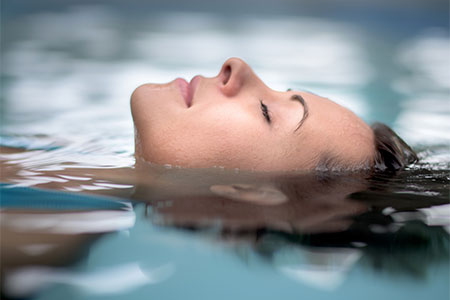
Everyone knows that drinking enough water is an important part of good health, but the therapeutic practice of hydrotherapy goes even farther, encompassing all the various ways that water can be used internally and externally to maintain health, manage stress and treat injuries.
Hydrotherapy includes more conventional therapies like hot or cold compresses, steam baths, and humidifiers as well as complementary treatments like sinus rinses or colonic therapy.
Hydrotherapy is a modality that has been used by many cultures throughout history, but even contemporary practitioners are seeing the benefits of hydrotherapy training.
Read on to learn more about this buoyant profession and why it is used to treat and prevent a number of medical conditions, making it a more popular career choice than ever before!
In a clinical setting, hydrotherapy may consist of water taken internally, via drinking, douches, or enemas; or it can involve the external administration of water to an affected area of the body, through ice packs, compresses, wraps, streams of water, or even inhaled water vapor.
Immersion—bathing or swimming—is also a popular form of hydrotherapy. Many spa workers specialize in aromatherapy or herbal medicine administered within a hot or cold bath.
Hydrotherapy training is used by naturopathic doctors, massage therapists, estheticians and spa workers, but you’ll often find hydrotherapy career options at physical therapy clinics and burn centers, too.
Hydrotherapy school curriculum addresses topics such as the following:
Individual workshop courses in basic hydrotherapy may take as few as 15 hours. Some approaches may require longer study—basic colonic hydrotherapy training takes 100 hours or more.
For the most part, practitioners of hydrotherapy are licensed or certified under the umbrella of a vocation such as naturopathy, massage therapy or physical therapy. In these cases, a hydrotherapist would need to follow state law with respect to licensing in their field.
Some forms of hydrotherapy training, such as colonic therapy and aquatic therapy, may lead to a specialty certification. The Aquatic Therapy & Rehab Institute (ATRI), for instance, grants Aquatic Therapeutic Exercise Certification to professionals who complete 15 hours of education in the area and pass an exam.
One major reason Americans go to spas is for relaxation and stress relief, and hydrotherapy treatments such as saunas, whirlpools and mineral baths provide such relief.
A recent study reported that 55% of American spas offer hydrotherapy options, and that translates into career opportunities for spa workers with hydrotherapy training. Fitness and health clinics also offer employment options for physical therapists who practice aquatic therapy.
You can research physical therapist salaries (this is what hydrotherapy falls under) by state here:
It might interest you to know that specialized knowledge such as hydrotherapy training can make you more marketable and add to your salary—a practitioner might earn as much as $75 to $120 per hour for a single session.
Imagine how rewarding it is to be able to administer a hydrotherapy treatment such as a hot mineral bath and be able to immediately see your client’s muscles relax, or watch an injured athlete steadily recover from an injury thanks to aquatic exercise.
Whether your focus is spa work, health care, physical therapy or naturopathy, hydrotherapy training can be a valuable modality to add to your professional repertoire.
Sources: Aquatic Therapy and Research Institute, Inc., American Cancer Society, International Spa Association